Amy Wen Du was originally from Beijing and has lived in Canada for 10 years, working as a Chinese language teacher. She was a Chinese language and literature teacher in China and a passionate translator from English to Chinese.
the “Farewell song”(“送别”)
As the saying goes, music is the world language without boundaries and conveys universal emotions and feelings. Here is an amazing example of it.
More than 100 years ago, three musicians from the USA, Japan, and China composed three lyrical songs to one tune and they are still widely known.
In 1868, an American medical doctor and composer John P. Ordway wrote his lyrics “Dreaming of Home and Mother”, a popular sentimental song from Civil War era.
In 1907, Japanese music teacher and lyricist Kyūkei Indō (犬童球渓) composed his song” Ryoshū” (旅愁, meaning “Yearning (for home) in travelling”) to melody of the lyrics” Dreaming of Home and Mother”. Ryoshū has since been very popular in Japan. It was selected as one of the 100 Best Known Japanese Songs in 2007.
In 1915, Chinese artist, composer, lyricist and Buddhist monk Li Shutong (23 October 1880 – 13 October 1942, 李叔同, Hong Yi 弘一, most commonly known by his Buddhist name ) wrote his famous romantic ballad, the “Farewell song”(“送别”)to the melody of the song “Dreaming of Home and Mother”. He composed the song at the time when he sadly saw his best friend off. Li was initially introduced to this song while studying in Japan, in the form of the Japanese song “ Ryoshū ” (旅愁).
长亭外,古道边,芳草碧连天, Cháng tíng wài, gǔ dào biān, fāng cǎo bì lián tiān. Outside the long pavilion, along the ancient route, fragrant green grass joins the sky,
晚风拂柳笛声残,夕阳山外山。 Wǎn fēng fú liǔ dí shēng cán, xì yáng shān wài shān. The evening wind caressing willow trees, the sound of the flute piercing the heart, sunset over mountains beyond mountains.
天之涯,地之角,知交半零落, Tiān zhī yá, dì zhī jiǎo, zhī jiāo bàn líng luò. At the brink of the sky, at the corners of the earth, my familiar friends wander in loneliness and far from home,
一瓢浊酒尽余欢,今宵别梦寒。 Yī piáo zhuó jiǔ jìn yú huān, jīn xiāo bié mèng hán. One more ladle of wine to conclude the little happiness that remains; tonight my dreams of parting leave me cold.
长亭外,古道边,芳草碧连天, Outside the long pavilion, along the ancient route, fragrant green grass joins the sky,
问君此去几时来?来时莫徘徊。 Wèn jūn cǐ qù jǐ shí lái? Lái shí mò pái huái. I ask of you, as you go this time, when are you to return? When it’s time to come please don’t hesitate.
天之涯,地之角,知交半零落, At the brink of the sky, at the corners of the earth, familiar friends wander in loneliness and far from home,
人生难得是欢聚,唯有别离多。 Rén shēng nán dé shì huān jù, wéi yǒu bié lí duō. In life it is happy reunions that are rare; most often we bid farewell.
天之涯,地之角,知交半零落, At the brink of the sky, at the corners of the earth, familiar friends wander in loneliness and far from home,
人生难得是欢聚,唯有别离多。 In life it is happy reunions that are rare; most often we bid farewell.
Billy also learned the following about the American, Dr. John P. Ordway from Chat Open Ai :
John P. Ordway (1824–1880) was an American composer, doctor, and music publisher known for his contributions to the minstrel tradition and 19th-century popular music. One of his most famous songs is “Dreaming of Home and Mother”, which became quite popular during and after the American Civil War. The song reflects themes of nostalgia and the emotional longing for home and family.
Here are some famous lyrics from “Dreaming of Home and Mother”:
Chorus:“Dreaming of home, dear old home, Home of my childhood and mother; Oft when I wake ’tis sweet to find I’ve been dreaming of home and mother.”
The song resonates with feelings of loss and the comforting memories of home and maternal love, which was common in songs of the era, especially among soldiers and those far from home.
“Dreaming of Home and Mother” was actually adapted from a tune composed by Sir Henry Bishop, an English composer. The original tune is from Bishop’s 1823 opera Clari, or the Maid of Milan, specifically from the famous aria “Home! Sweet Home!”
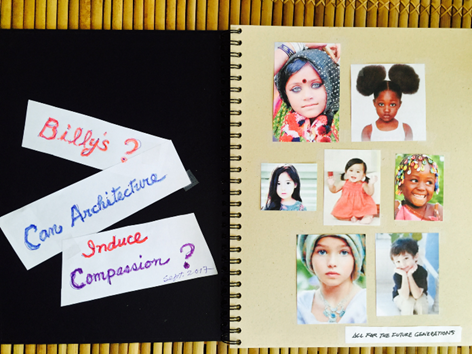
These past several years, I have been researching on theMeaning of Friendship. From Friendship I skipped to
Empathy, but at last I came to realize that the key tobuilding good relationships across different culturesis indeed in
Cultivating Compassion, Love, and Caring.As a retired architect and architecture lecturer, I posedthis question to
myself, and my colleagues: “CanArchitecture Induce Compassion? “ These past manymonths, I focused on creating a
photo collage notebookto record what I have learned in my research and hopeto expand this search with my friends
around the world. The attached slides, are the first batch of photos to set my course:
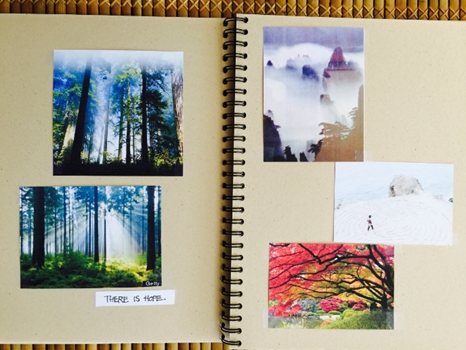
Start with Our love for children. Our innate good feelings for Humanity.
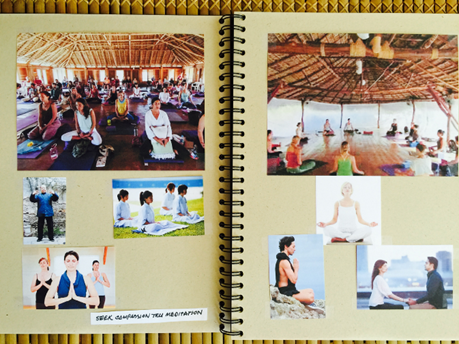
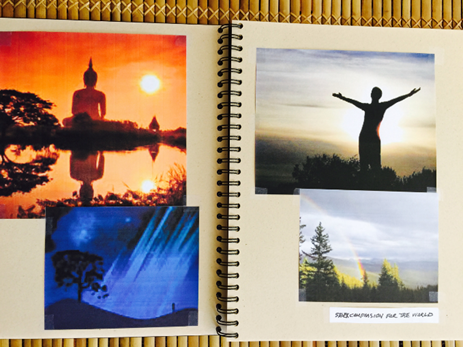
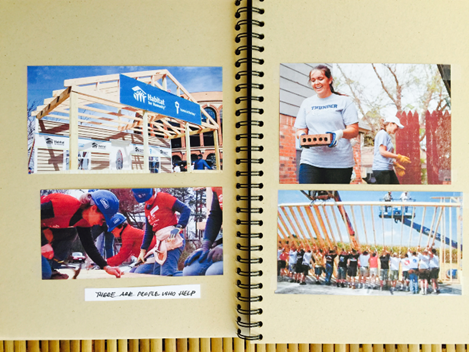
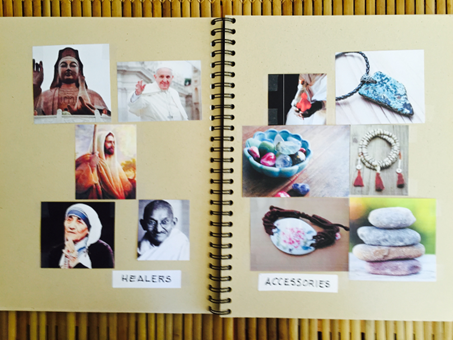
So many people today are seeking Compassion through Mindful Meditation – singularly, by two, or in groups. There are spectacular sufferings around the world due to War, Natural Disasters, Famine, Epidemics, etc. There are also deep but less spectacular sufferings – the aged, and disabled, the homeless etc.. Even close to us, there are those who suffer from personal problems and misfortunes – few terribly stressed and some deeply distressed. Yet, we know there are people who do careMother Teresa, Refugee Relief soldiers, individual and group volunteers. Habitat For Humanity is a notable example. So we have Compassion and Hope, and we can find encouragement from nature, and we are so moved by the hope reflected in the eyes of those still struggling through indescribable difficulties.
But, what about Architecture Inducing Compassion?
I accept the definition of Compassion to be : “Realizing the suffering of others and then taking actions to help.” I accept the Definition of Architecture to broadly be: “The Art and Practices in Designing Buildings”. Indeed, in essence I think Architecture is Problem Solving, and producing Extra Magic in improving our lives and in lifting our Spirits. Having been trained at so-called prestigious schools and professional offices, I was brain-washed to always try for the extra Magic . Where is the Poetry?
Where is the Finesse? Where are the Truly Beneficial Impacts – physically as well as spiritually ?
When considering the two words ‘Architecture’ and ‘Compassion’ together, I wondered if it was a ‘Chicken & Egg ‘question . It is clear that Architects produce Architecture which may or may not induce Compassion. Furthermore, the induced Compassion may only be an Inspirational Feeling which may or may not lead to actual Compassionate Deeds. I myself surely need to cultivate my inner Compassion first and hope to deliver Architecture that can induce further Compassion as result.
While doing some research on Meditation and Mindfulness,I discovered a Five-step Mindful Meditation from an amazingmindfulness facilitator. I was told that Mindfulness focuses on Breathing, Meditation involves Thinking, and Neuropsychologyhas confirmed much of the validity of her recommended methodology. Her Five-Step Exercise involves the following:
1 Proper Sitting Position/ Breathing steadily in and out/ Feel calmness / Clear your Mind
2 Continue breathing in and out, but focus of someone whohad been most kind and caring for you. Capture and enjoy this feeling of Love and Care. That feeling is truly Golden.
3 Adjust your mind and try to transmit this Feeling of Love and Caring to someone else in your life.- best to someone you think is in need of support and compassion.Continue breathing until you feel you have delivered.
4 This time try to transmit this Feeling of Love and Caring to a small group of people – maybe members from your family, your neighborhood or community. Continue breathing in and out until you feel you have done your best.
5 Try further to reach out compassionately to an even larger group of people whom you do not even know personally – like war refugees, displaced immigrants etc. Try your best. Practice makes perfect.
I have indeed tried this exercise and found the first three stepsworking powerfully. On the last two steps, I am still practicing –practicing conscientiously.
Yes, many compassionate Architects and Designers around the world are doing ‘Caring Architecture’ for the benefit of the needy. For Children: safe and cheerful schools. For Aged and Sick: healthful accommodations. For Communities: social connecting spaces, For the Poor: decent low cost housing. For the Cities: convenient transportation and safe parks and cultural amenities. For refugees: respectful temporary shelters. For human spirit: churches, mosques, temples etc..
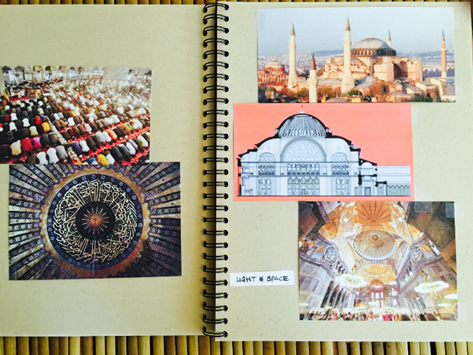
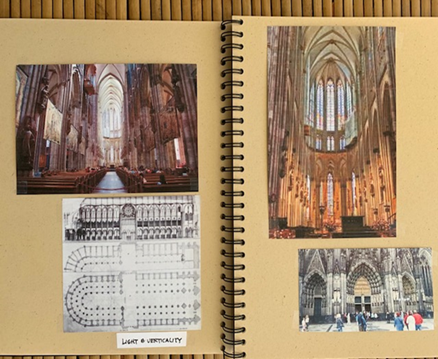
To create “Architecture which can induce Compassion”, it’s not easy ! ! ! I have selected two famous edifices here which may represent shiny examples: The Cologne Cathedral in Germany and Hagia Sophia in Istanbul, Turkey. The former represents the culture of the West. Forceful verticality initiated by pointed Gothic arches reinforce shafts of light that uplift the spirit from us tiny human figures. People pray with their eyes closed but heads lifted. Pray to God in the Sky or Heaven- ask forgiveness for Self then love for Neighbors. Hagia Sophia represents Mid-East Culture – a cross between East and West. The lofty spherical dome gives a uniting umbrella space. Rich mosaics, sparkled by spotty light openings reflect the rich variety of possibilities of Hope. People pray by the humble “five points touching the ground.” The Muslim philosophy stresses Common Wellbeing of Mankind. While the architectural styles are different, in both cases AWE is created by Exaggerated Scale and Deft Proportions.
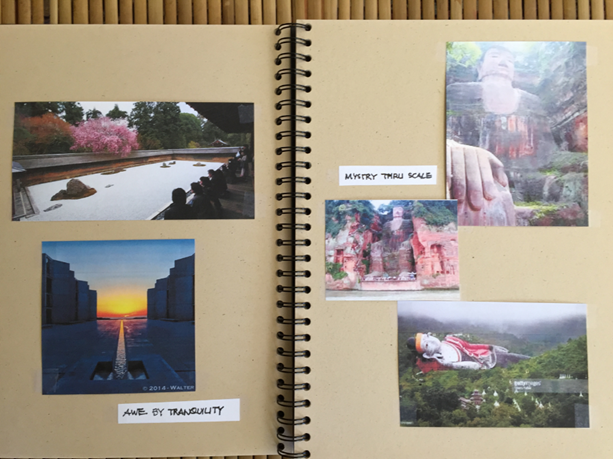
I found two examples that illustrate AWE thru Tranquility : The Zen Rock Garden in Kyoto, Japan and Salk Institute in La Jolla, Ca. USA. In Kyoto, it’s the pure and intense Abstraction of Nature that pulls one’s heart and mind. The stillness of the rocks and sand – strategically composed – induces the Quietness essential for Contemplation. AWE via Tranquility . Such is Zen. The magic granite plaza at Salk Institute is actually the collaboration of Louis Khan and Mexican architect Luis Barragan. The gurgling channel of water brings life to the plaza. Pointing towards the Ocean and Sunset on the West, the magic reflection of the water gives the whole complex the reputation, ‘Temple to Nature’. It has provided Inspiration to many esteemed Salk Institute Scientists – including one very famous Neuroscientist who was especially enthralled.
I like to study the “Magic and Finesses” Architects and Designers have successfully employed. I have selected four examples here to share with you . Let’s see, where lies their Magic. What were their special Finesses?
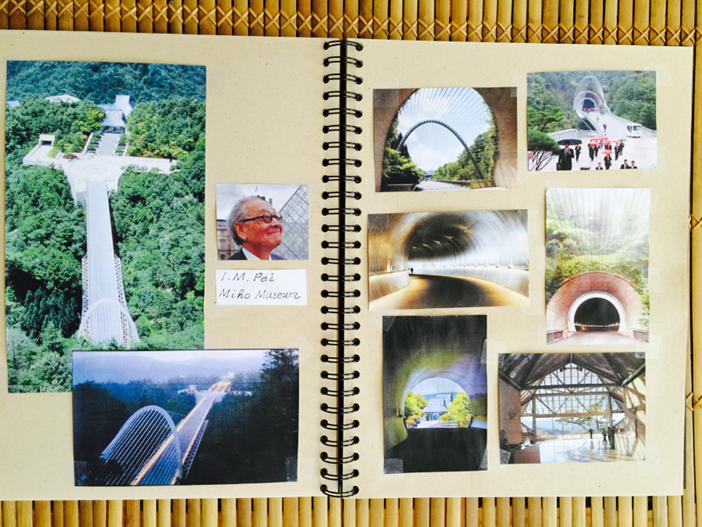
1 I.M.Pei ‘s Miho Museum near Kyoto, Japan
The unique Magic is the Entrance Tunnel. As in common Meditation Practice, it’s the most important step of Clearing and Framing one’s mind to be ready to appreciate yet more important features coming. It’s manipulation of Sequence,Pace, Time, Light, and Psychological anticipations. Pei’s Exquisite Detailing focusing on subtle Transitioning –in this case, the web sculptures at each end of the tunnel – represent transitioning the transition. A skillful Touch !
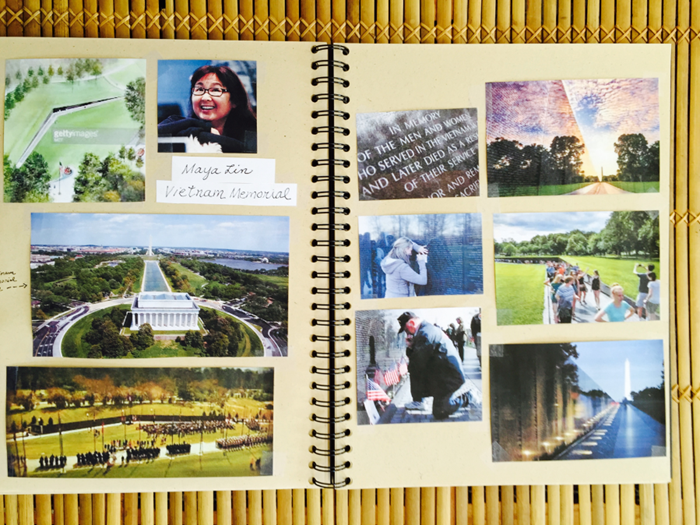
2 Maya Lin ‘s Vietnam Memorial, in Washington, D.C.
The Magic here is the simultaneous sensation of Sadness and Glory. The Finesse is in the positioning of the V-shape wall – one arm pointing to Washington Memorial Tower, the other towards Lincoln. Pressing the wall into the ground causes a sense of depression. Looking for the lost relative’s name engraved on the reflective black granite wall, one sees so many other names , and one sees Self reflected – Feeling robbed as well as Feeling Proud.
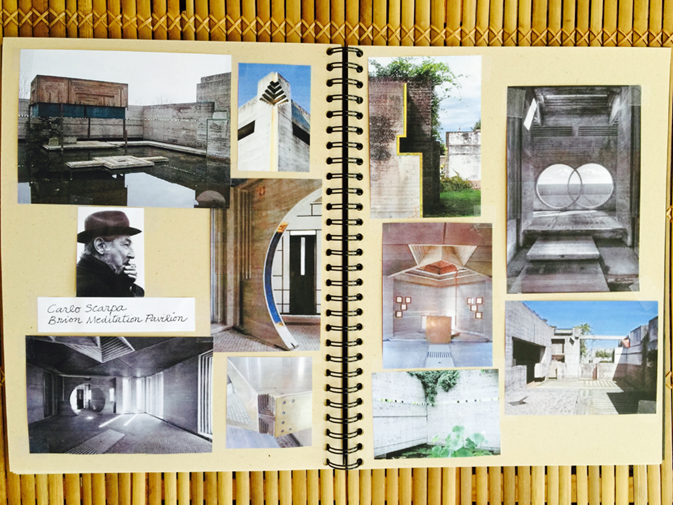
3 Carlos Scarpa ‘s Meditation Pavilion, Brion Cemetery, Italy
Weather streaked concrete planes cheered surprisingly by added lines and dots of mosaic tiles. Ethereal light mixed with very earthy feeling , water lily pond and clinging vines – color Green –awakening window openingreminding of History, make this site special for Pondering Life thru Meditation. Scarpa’s seemingly random geometric stone sculpting grab visitors firmly but gently. Amazing Magic derives from his artful sculpting carving and his let freed geometry. There is always a magic twist here and there.
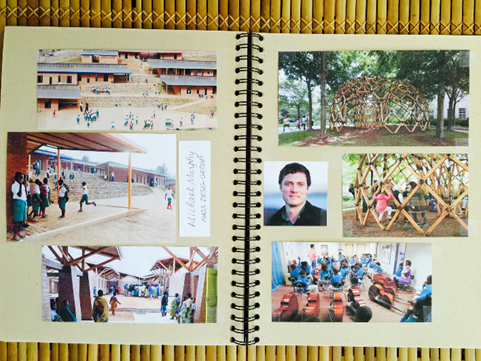
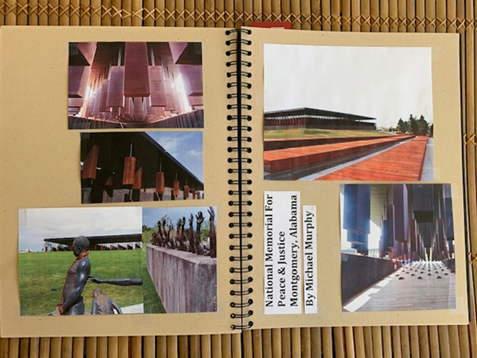
4 Michael Murphy – Mass Design Group – Boston, USA – Works in Boston, Alabama, USA & Rwanda, Africa
Compassion is clearly reflected in Mass Design Group’s Mission statement, their practice, and their Architecturalcreations. Their holistic approach brings Innovation anHuman spirit together. There is an earnest interest in indigenous cultures and cross-cultural needs, aspirations and inter-connectedness. The globe-shaped pavilion in a Bostonian Park is not only unique, and inspiring, it is beautifully detailed with Bostonian dedication. The school and health clinic in Rwanda wisely use soft pastel colored background to sprout the residents’ more colorful attires. The soft gentleness enhances the open spaces to breath Joy & Good Health. Where is Magic here? I believe it’s from the inner personality of this special Architect.
For us Architects to improve our general knowledge and capabilities, we should collaborate with and learn from psychologists who study environmental impacts on human emotions. There has already been much study on Psychology of Color, of Light, of Sound, of Proximity, of Weather and Temperature, of Motions and Pace, of Lines, Shapes, Surfaces, and Symbols, on Denseness vs Sparseness, Simplicity vs Complexity, Clarity vs Confusion etc. etc. . In general, we should keep sharp our Experiential sensitivities and be able to affect people’s emotional needs via design. The most influential Architecture Professor in my life was indeed Vincent Scully at Yale. The first assignment he gave our Architecture class was to record a morning trip from the dorm to the classroom. The first assigned reading was the famous Steen E. Rasmussen’s “Experiencing Architecture”.
Indeed, the purpose of this Special Research Exercise is not just for more learning, but to raise ‘Compassion Conscientiousness’ among all my friends – old and new. I now earnestly propose a ‘Participatory Research and Design Process’ to engage you all on this question :“ Can Architecture Induce Compassion ?”.
All You Non Architect Friends, can you share with me :your personal inspired moments with photos, ideas, and questions?
You, Architectural Professionals, please enlighten me on any Special Design Magics and Finesses we all should know about.
You, Psychologists Friends, we have much to learn from you. Study of Architecture truly involves understanding People –their emotions, their behaviors – your area of expertise.
You, Architecture Students, try a design exercise on one of the following:
1) An interior Room or Space for Contemplation,
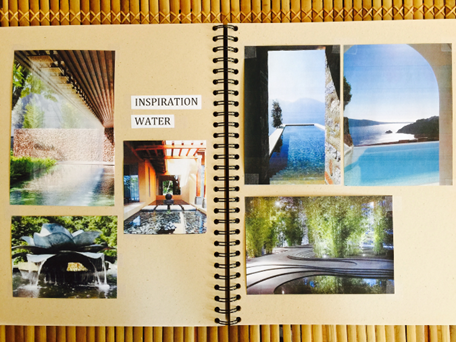
2) An exterior pavilion, pool, or garden for Contemplation
3) An enlightening Design Object, be it a Water Fountain, a decorative ornament for your bedroom, or something to wear like a wrist-band or Necklace, etc.
Experiment with Absolute Precision and Clarity or Maze thru Haze. Find Essential Magic in different materials. Experiment with Shades of Colors and Light. Pay attention to Water, Wind, Time of the day, and Open Sky. Think and Feel Vertically, Horizontally, and Diagonally in Depth. Find the sparks which connect to your Emotions. Find and deliver inspiration with Imagination and Finesse.
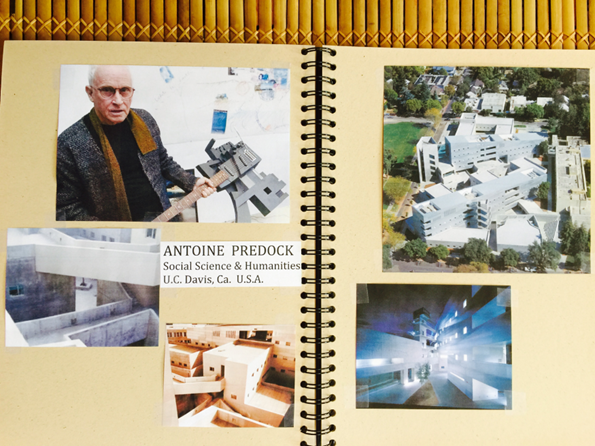
Indeed, a Non-Architect friend alerted me to a unique complex, which AIA 2006 Gold Medalist, Architect Antoine Predock from Albuquerque, New Mexico designed for UC Davis not too long ago. Nicked named, “The Darth Star”, this Social Science and Humanities Building is best known as a “Maze”. The design was purposed to be confusing. Visitors are intentionally forced to talk to someone to find out how to get to where they need to go. Often doorways you need to pass through are locked – forcing one to find alternatives. The intention was to force interactions and social connections. Supposedly, through helping each other, deeper bonding is created. It sure is a courageous social -science experiment by the University. I admit that I have not yet visited that campus or done any in-depth social impact research on the users. I am, however, much impressed by their innovative – ‘out-of-the-box’ kind of search approach.
_________________________________________________
My SEARCH will continue, but I hope to have your help to make this a collaborative/ participatory research effort.
May I conclude my TALK today by sharing with you just a few of my main thoughts ? I like to quote two of my favorite architects: Zaha Hadid and William McDonough. Zaha Hadid said to us: “ Architecture should be able to Excite you, Calm you, and Make you think. “, and William McDonough, a leading architect in Sustainable Architecture, said : “ Design is inherently Optimistic ! It is Power!”
On “Architecture Inducing Compassion”, I firmly believe that
this is an important research challenge and opportunity. Let us cultivate our personal Compassion Skills. Commit our Will and Diligence. With Creativity and Power, we Architects, design with Compassion and Finesse!
indeed, each of us can ask, “Can my own work or profession help induce Compassion? ”
Finally, I say to you: THANKS! – with a Handshake & Firm Squeeze; a Hug & Gentle Press; a Smile & a Well-meaning Wink, and touching my Heart with my right hand and then stretching out both arms high and wide, I wish you all, LOVE, KINDNESS, CREATIVITY & PEACE !
Cheers always !
Your Friend,
Billy William Ming-Sing Lee 李名信
Retired Architect
271 West Floresta Way,Portola Valley, Ca. 94028, U.S.A. <WilliamMSLee@gmail.com